
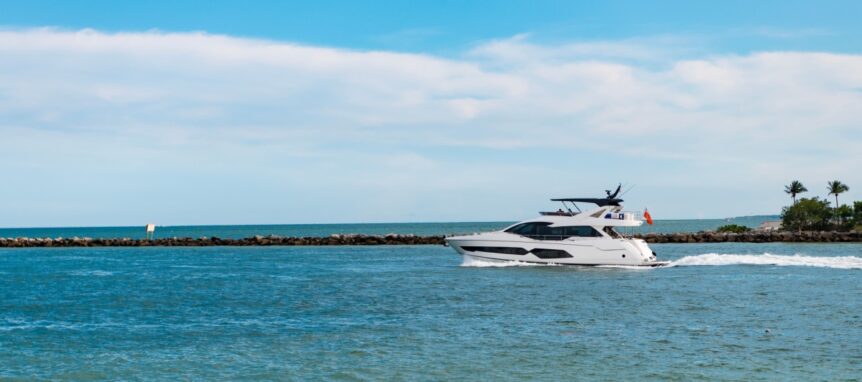
A tragic boating accident in Biscayne Bay shocked South Florida early last year when 15-year-old Ella Adler was struck and killed by a boat while wakeboarding near Key Biscayne. According to investigators, Adler fell into the water, and a large center-console vessel hit her and continued moving without stopping to help. The operator of the striking boat left the scene, prompting an extensive search by the Florida Fish and Wildlife Conservation Commission.
After what the agency described as a ‘thorough investigation,’ two men were reportedly charged in connection with the incident.. Carlos Guillermo Alonso, the owner of the striking vessel, was charged with multiple misdemeanors, and Edmund Richard Hartley, who was operating the boat towing Adler at the time of the accident, was also charged with misdemeanor offenses. The heartbreaking loss raised urgent questions about boating safety in Florida and highlighted the devastating consequences of negligence on the water. For grieving families, it also raises an important question: when can they file a wrongful death claim after a boating accident?
The Growing Problem of Hit-and-Run Boating Accidents
Florida leads the nation in boating accidents, and hit-and-run incidents like the one that killed Adler are becoming increasingly common. With more vessels on the water than any other state and countless tourists using rentals and charters, the risk of collisions is higher than ever. Many recreational boaters are inexperienced, distracted, or operating at unsafe speeds. When an operator fails to stop after a crash, both criminal and civil consequences follow, but families are often left struggling to understand their rights.
What Makes Hit-and-Run Incidents Especially Serious
Unlike car accidents, boating collisions often occur in open water where visibility is limited and emergency response takes more time. When a boat operator flees, valuable minutes are lost before help arrives. In Adler’s case, witnesses said she was thrown into the water after being struck, and immediate rescue efforts could not save her. Every second counts in a water emergency, and failing to stop is more than a violation of maritime law, it removes the chance for life-saving aid.
When Families Can File a Wrongful Death Claim
A wrongful death claim allows families to seek compensation when a loved one is killed as a result of negligence. In boating cases, negligence can arise from several factors, including speeding, impaired operation, failure to maintain a proper lookout, or ignoring navigation rules. If the operator leaves the scene, that behavior strengthens the civil case. Under Florida law, families can pursue damages for medical bills, funeral expenses, lost future income, and the emotional impact of losing a loved one.
Evidence Needed in a Boating Wrongful Death Case
Boating accidents require immediate investigation. Physical evidence may include debris, damage to the vessel, paint transfer, or GPS data showing speed and location. Witness testimony is often crucial because boating accidents rarely happen with clear video footage. When hit-and-run situations occur, identifying the vessel becomes a priority. In Adler’s case, authorities searched for days before locating the boat suspected to be involved. Once identified, both the operator and vessel owner may be liable depending on the circumstances.
To strengthen a wrongful death case, families should look for warning signs such as:
- Operators who fail to stop or render aid, boaters driving at excessive speeds near swimmers or personal watercraft, evidence of alcohol consumption or impairment, failure to follow posted navigation markers or no-wake zones.
Each of these factors can play a significant role in proving negligence.
Criminal Charges vs. Civil Claims
Criminal charges often follow hit-and-run boating accidents, but criminal prosecution alone does not compensate families for their losses. Civil wrongful death claims operate separately from criminal trials. Even if prosecutors pursue charges, families still need to file a lawsuit within Florida’s statutory deadlines to preserve their rights. A civil claim can help uncover additional evidence, hold all responsible parties accountable, and secure financial support for the family’s future.
Why Legal Representation Is Essential
Boating accidents involve complex interactions of state law, maritime regulations, and insurance issues. Hit-and-run cases require careful reconstruction and aggressive investigation to determine what happened. Insurance carriers may deny responsibility or claim the deceased acted improperly, making it even more important to have an experienced attorney involved early.
A wrongful death attorney can obtain vessel records, subpoena GPS and electronic data, interview witnesses, and work with maritime experts to establish liability. In a hit-and-run situation, lawyers can also help track ownership trails and determine whether multiple parties share responsibility, including the boat owner, operator, or even rental or charter companies.
Helping Families Find Justice After Tragedy
The loss of a loved one in a boating accident is devastating, especially when the responsible party fails to stop or render aid. Families deserve answers, accountability, and justice. While no amount of compensation can undo the loss, a wrongful death claim can provide financial stability and hold negligent boaters responsible for their actions. South Florida’s waterways are some of the busiest in the nation, and enforcing accountability is critical to preventing future tragedies.
Contact Us Today
If you lost a loved one in a boating accident or hit-and-run incident, the Florida maritime and wrongful death attorneys at BRILL & RINALDI, The Law Firm can help you pursue justice. Our team has extensive experience handling complex maritime cases and will work tirelessly to uncover the truth and hold negligent parties accountable.
Schedule a consultation today by calling (954) 876-4344 or filling out the online form.
Disclaimer: This article is for informational purposes only and does not constitute legal advice. Each case is unique, and past results do not guarantee similar outcomes.