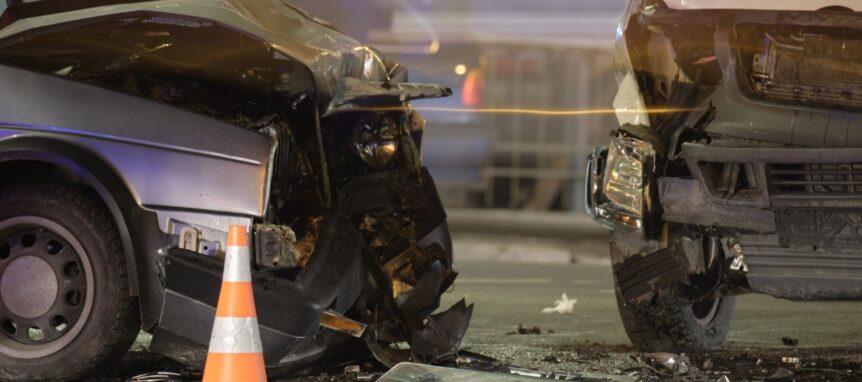
A tragic wrong-way crash on Interstate 95 in Brevard County left three people dead and several others injured, underscoring the devastating consequences of serious traffic negligence. According to reports, a driver traveling southbound in the northbound lanes near Wickham Road in Melbourne collided head-on with another vehicle, triggering a chain-reaction crash involving multiple cars. The early morning collision resulted in fatalities and significant injuries, with authorities noting that none of the victims involved in the initial impact were wearing seatbelts. Incidents like this raise important legal questions about liability, wrongful death claims, and the rights of families affected by fatal accidents in Florida.
Understanding Wrong-Way Driving Accidents
Wrong-way crashes are among the most dangerous types of motor vehicle accidents. These incidents often occur at high speeds and involve direct head-on impacts, which significantly increases the likelihood of fatal or catastrophic injuries. In many cases, wrong-way driving is linked to impairment, driver confusion, or failure to recognize roadway signage. Regardless of the cause, entering a highway in the wrong direction creates an immediate and severe risk to others on the road.
Because of the force involved in these collisions, even drivers who are following traffic laws may have little opportunity to avoid impact. This makes determining liability relatively straightforward in some cases, while still requiring careful investigation into all contributing factors.
Civil Liability After a Fatal Crash
When a fatal accident occurs, the legal process extends beyond any criminal investigation that may follow. Civil liability focuses on whether a driver’s negligence caused or contributed to the crash and whether surviving family members have the right to pursue compensation.
In a wrong-way accident, the driver traveling against traffic is often considered a primary source of liability. However, a full legal evaluation may still examine additional factors, including roadway conditions, visibility, vehicle maintenance, and the actions of other drivers involved in the sequence of events.
Civil claims allow families to seek compensation for losses that are not addressed through criminal proceedings. These may include financial support, medical expenses incurred prior to death, and the broader impact of losing a loved one.
Wrongful Death Claims in Florida
Florida law allows certain surviving family members to pursue wrongful death claims when a fatal accident is caused by negligence. These claims are typically brought by a personal representative on behalf of the estate and eligible survivors.
Wrongful death damages may include loss of companionship, emotional support, and financial contributions that the deceased would have provided. The specific damages available depend on the relationship between the deceased and surviving family members, as well as the circumstances of the case.
Even in situations where the cause of the crash appears clear, building a wrongful death claim requires documentation, investigation, and a detailed understanding of applicable laws.
The Role of Seatbelt Use in Injury Claims
In this particular crash, authorities reported that the individuals involved in the initial impact were not wearing seatbelts. While failure to wear a seatbelt does not excuse negligent driving by another party, it may be considered when evaluating damages in a civil case.
Florida law allows for comparative fault, meaning that certain actions by a victim may be considered when determining compensation. However, the primary focus remains on whether another party’s negligence caused the crash in the first place.
Seatbelt use can influence injury severity, but it does not eliminate the responsibility of a driver who creates a dangerous situation, such as traveling the wrong way on a highway.
Investigating a Multi-Vehicle Fatal Accident
Accidents involving multiple vehicles, especially those triggered by an initial head-on collision, require a detailed investigation. Law enforcement agencies often document the scene, gather witness statements, and analyze vehicle damage. In some cases, accident reconstruction experts may be used to determine how the crash unfolded.
Understanding the sequence of events is important not only for identifying liability but also for determining how injuries occurred and which parties may be responsible. With multiple vehicles involved, evidence must be preserved and evaluated carefully.
Why Prompt Legal Action Matters
After a fatal accident, families are often dealing with grief, uncertainty, and unanswered questions. At the same time, important legal deadlines and evidence preservation issues begin immediately. Surveillance footage, vehicle data, and witness accounts may become more difficult to obtain as time passes.
Early legal guidance can help ensure that evidence is identified, preserved, and properly analyzed. It also allows families to better understand their rights and the steps involved in pursuing a wrongful death claim.
Holding Negligent Drivers Accountable
Fatal accidents caused by negligent driving, including wrong-way incidents, can have lasting consequences for families and communities. While no legal action can undo the loss of a loved one, civil claims provide a path toward accountability and financial stability.
If you have lost a loved one in a fatal accident, the wrongful death attorneys at BRILL & RINALDI, The Law Firm can help you understand your legal options and pursue justice. We have experience handling complex accident cases and are prepared to guide families through the legal process with care and attention.
Schedule a consultation today by calling (954) 876-4344 or filling out the online form. We have offices in Weston, Coral Gables, and Daytona Beach.
Disclaimer: The information above is for general informational purposes only and does not constitute legal advice. Every case is different, and results are not guaranteed.