
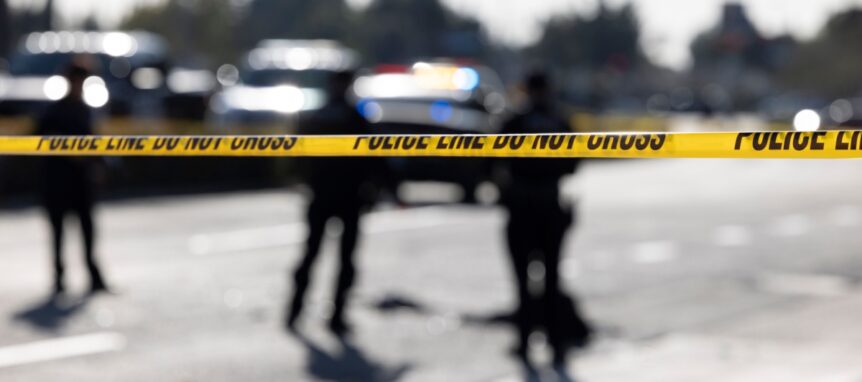
When a serious accident results in catastrophic injuries or the loss of life, determining exactly what happened is rarely as simple as reviewing a police report. While law enforcement officers document the scene and gather initial evidence, many complex cases require a much more detailed analysis. This is where accident reconstruction experts often become an important part of the investigation. Using engineering principles, scientific analysis, and specialized technology, these experts help explain how a collision or other serious accident occurred and whether negligence contributed to the outcome. Their findings can play a significant role in serious injury and wrongful death litigation.
What Is an Accident Reconstruction Expert?
An accident reconstruction expert is a professional trained to analyze motor vehicle collisions using scientific methods and physical evidence. Their goal is to determine how an accident occurred by examining factors such as vehicle damage, roadway conditions, impact angles, and driver actions.
These experts frequently have backgrounds in engineering, physics, law enforcement, or crash investigation. Their analysis can help answer important questions about speed, braking, visibility, reaction time, and the sequence of events leading to the collision.
How Accident Reconstruction Is Performed
Accident reconstruction involves collecting and analyzing evidence from multiple sources. Experts often examine photographs of the accident scene, vehicle damage, skid marks, roadway measurements, and police reports. In many cases, they also review electronic data recorded by modern vehicles, including information from event data recorders, commonly referred to as “black boxes.”
Advanced technology may also be used during the investigation. Drone photography, three-dimensional mapping, computer simulations, and laser scanning can help recreate the accident scene with remarkable accuracy. These tools allow experts to evaluate complex collisions from multiple perspectives and develop opinions supported by scientific evidence.
Why Reconstruction Matters in Serious Injury Cases
In catastrophic injury and wrongful death cases, liability is not always immediately clear. Witnesses may provide conflicting accounts, and physical evidence alone may not fully explain how the collision occurred.
Accident reconstruction helps bridge those gaps by providing an objective analysis based on measurable evidence. The findings may help establish which driver had the right of way, whether excessive speed contributed to the crash, or whether a driver had sufficient time to avoid the collision.
Because serious injury cases often involve significant damages, a thorough understanding of how the accident occurred is essential.
The Role of Electronic Vehicle Data
Modern vehicles record valuable information before, during, and after many collisions. Event data recorders may capture vehicle speed, brake application, steering input, throttle position, and seatbelt usage in the moments leading up to impact.
Commercial trucks may also contain Electronic Logging Device records, GPS data, and onboard safety system information. These digital records can provide objective evidence that supports or contradicts witness statements and other evidence collected during the investigation.
In many cases, preserving the vehicles before repairs or disposal is essential because the physical damage itself may provide important evidence during the reconstruction process.
When preserved properly, electronic data often becomes an important component of accident reconstruction.
Expert Testimony in Court
Accident reconstruction experts are frequently called upon to explain their findings during litigation. Because many collisions involve technical issues that are difficult for juries to interpret, expert testimony can help simplify complex evidence into understandable conclusions.
Using diagrams, photographs, computer models, and other visual aids, reconstruction experts explain how physical evidence supports their opinions. Their testimony may assist the court in understanding how the accident occurred and whether negligence played a role.
Reconstruction Is Only One Piece of the Investigation
Although accident reconstruction is an important investigative tool, it is only one part of building a serious injury case. Medical records, witness statements, surveillance footage, cellphone records, and vehicle maintenance records may also provide valuable evidence.
When combined with expert analysis, this information creates a more complete picture of the circumstances surrounding the accident and helps identify all potentially responsible parties.
Why Acting Quickly Is Important
Evidence at an accident scene can disappear quickly. Vehicles may be repaired or salvaged, roadway markings can fade, and electronic data may be overwritten. Witness memories also become less reliable as time passes.
Early investigation allows important evidence to be preserved before it is lost. In serious injury cases, this can significantly improve the ability to reconstruct the accident accurately and determine liability.
Protecting Your Rights After a Serious Accident
Accident reconstruction experts often play a critical role in helping determine liability after catastrophic collisions. Their scientific analysis can provide valuable insight into how an accident occurred and support efforts to hold negligent parties accountable.
If you or a loved one has suffered a serious injury in a motor vehicle accident, the personal injury attorneys at BRILL & RINALDI, The Law Firm can help you understand your legal options and pursue appropriate compensation. We understand the importance of thorough investigation and work to build strong cases supported by credible evidence and expert analysis.
Schedule a consultation today by calling (954) 876-4344 or filling out the online form. We have offices in Weston, Coral Gables, and Daytona Beach.
Disclaimer: The information above is for general informational purposes only and does not constitute legal advice. Every case is different, and results are not guaranteed.