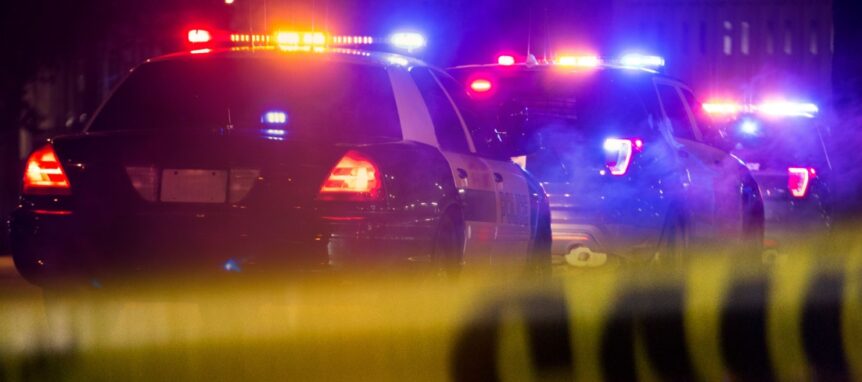
A recent hit-and-run crash in Fort Lauderdale has once again highlighted the devastating consequences of fatal traffic accidents and the legal questions families often face afterward. According to published reports, a woman riding her bicycle across the Southeast 17th Street Causeway Bridge was struck by a vehicle whose driver allegedly fled the scene before emergency responders arrived. Investigators later identified a suspect who now faces criminal charges related to leaving the scene of a crash involving death, while additional charges may be filed as the investigation continues. Although criminal prosecution may hold a driver accountable for violating the law, it does not compensate surviving family members for the financial and emotional losses caused by a loved one’s death. In situations like this, Florida’s wrongful death laws may provide families with an opportunity to pursue civil accountability and financial recovery.
Understanding Wrongful Death Claims in Florida
A wrongful death claim arises when a person’s death is caused by another party’s negligence, recklessness, or wrongful conduct. In Florida, these claims are governed by the Florida Wrongful Death Act and are brought by the personal representative of the deceased person’s estate on behalf of eligible surviving family members.
While no legal action can undo the loss of a loved one, a wrongful death claim provides families with an opportunity to seek accountability and recover compensation for the financial and personal losses resulting from the tragedy.
Criminal Charges and Civil Liability Are Separate
One of the most common misconceptions following a fatal accident is that criminal charges automatically resolve every legal issue. In reality, criminal and civil cases serve very different purposes. Criminal proceedings are intended to determine whether a defendant violated the law and what penalties may be imposed. A civil wrongful death claim, however, focuses on compensating surviving family members for the losses they have suffered.
Civil cases also operate under a different burden of proof than criminal prosecutions, meaning the outcome of one case does not necessarily determine the outcome of the other.
Even if a driver is arrested or later convicted of leaving the scene of a fatal accident, surviving family members may still need to pursue a separate civil claim to recover damages. Likewise, a civil claim may still proceed even if criminal charges are reduced or resolved differently than expected.
Why Leaving the Scene Can Complicate an Investigation
When a driver leaves the scene of a fatal accident, investigators often face additional challenges in determining exactly what occurred. Critical evidence may be lost, witnesses may leave the area, and valuable time can pass before the responsible driver is identified.
Today’s investigations often rely on surveillance cameras, traffic cameras, vehicle debris, eyewitness accounts, and forensic analysis to reconstruct the incident. In many cases, these pieces of evidence become essential in identifying the vehicle involved and establishing how the collision occurred.
What Damages May Be Available
Florida’s wrongful death laws allow certain surviving family members to pursue compensation for both economic and non-economic losses. Depending on the circumstances, recoverable damages may include funeral and burial expenses, medical expenses incurred before death, loss of financial support, and the loss of companionship, guidance, and services the deceased would have provided.
Every wrongful death case is unique, and the damages available depend on factors such as the relationship between the deceased and surviving family members, the circumstances surrounding the accident, and the applicable provisions of Florida law.
The Importance of Preserving Evidence
Evidence preservation is critical after any fatal accident, but it becomes especially important in hit-and-run cases. Surveillance footage from nearby businesses, traffic cameras, vehicle damage, cellphone data, and witness statements may all become important pieces of evidence.
Because some surveillance systems automatically overwrite recordings after a short period of time, acting promptly can help preserve information that may later become essential in establishing liability. Early investigation can also identify additional sources of evidence before they disappear.
Why Early Legal Guidance Matters
Families coping with the sudden loss of a loved one often face overwhelming emotional and financial challenges. At the same time, insurance investigations begin immediately, evidence must be preserved, and important legal deadlines continue to run.
Understanding your legal rights early in the process can help ensure that evidence is protected, responsible parties are identified, and the family is in the best position to evaluate its legal options moving forward.
Protecting Your Family’s Rights After a Fatal Accident
Losing a loved one because of another person’s negligence is a tragedy that can leave families searching for answers while facing significant emotional and financial hardship. Whether criminal charges have been filed or an investigation is still ongoing, surviving family members may have important rights under Florida’s wrongful death laws.
If you have lost a loved one in a fatal accident, the wrongful death attorneys at BRILL & RINALDI, The Law Firm can help you understand your legal options and pursue accountability. We understand the complexities of wrongful death litigation and are prepared to guide families through the legal process with compassion, experience, and a commitment to protecting their rights.
Schedule a consultation today by calling (954) 876-4344 or filling out the online form. We have offices in Weston, Coral Gables, and Daytona Beach.
Disclaimer: The information above is for general informational purposes only and does not constitute legal advice. Every case is different, and results are not guaranteed.