After a fatal accident, determining exactly what happened is one of the most important aspects of any legal claim. In many cases, surveillance footage can play a critical role in establishing how an incident occurred and who may be responsible. With cameras now common on highways, businesses, and residential properties, video evidence is often one of the most powerful tools available in serious injury and wrongful death cases.
The Role of Surveillance Footage in Accident Investigations
Surveillance footage can provide a real-time, objective record of an accident. Unlike witness statements, which may vary or become less reliable over time, video evidence may capture key moments leading up to and during a collision. This may include vehicle speed, traffic signals, driver behavior, and environmental conditions.
In fatal accident cases, this type of evidence can help clarify how the incident unfolded and whether negligence played a role. It can also assist investigators and experts in reconstructing the sequence of events with greater accuracy.
Where Surveillance Footage May Be Found
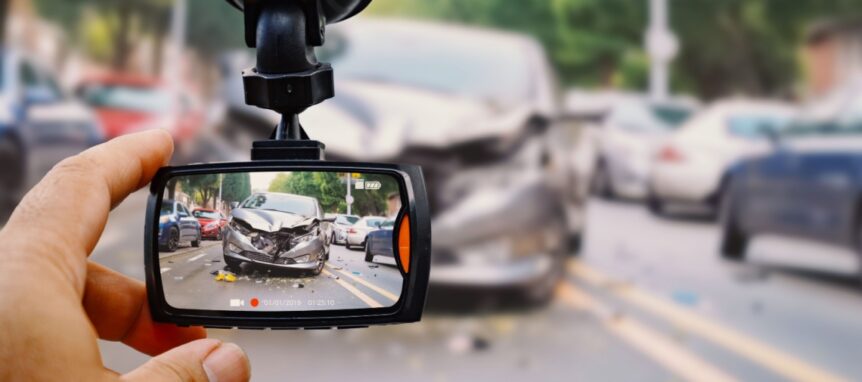
Surveillance footage can come from a variety of sources. Traffic cameras at intersections or along highways may capture portions of a crash. Nearby businesses, gas stations, and residential properties often have security systems that record activity outside their buildings. In some cases, footage may also be available from dash cameras or commercial vehicles.
Because these systems are privately owned or controlled by different entities, identifying and obtaining footage often requires prompt action.
Why Timing Is Critical
One of the most important factors when it comes to surveillance footage is timing. Many recording systems automatically overwrite footage after a short period, sometimes within days. If the footage is not preserved quickly, it may be lost permanently.
Acting promptly after a fatal accident can help ensure that potential video evidence is identified and secured before it is deleted. This may involve contacting property owners, requesting preservation of footage, or taking legal steps to obtain copies.
How Footage Can Influence Liability
In wrongful death and fatal accident claims, establishing liability is a key component of the case. Surveillance footage can provide direct evidence of negligence, such as a driver running a red light, speeding, or failing to yield.
Video evidence may also contradict or support witness statements, helping to resolve disputes about how the accident occurred. In cases involving multiple vehicles or complex scenarios, footage can be especially valuable in determining each party’s role.
Because of its clarity and objectivity, surveillance footage often carries significant weight in both settlement discussions and litigation.
Supporting Expert Analysis
In many fatal accident cases, experts are used to analyze evidence and provide opinions on how the incident occurred. Surveillance footage can serve as a foundation for accident reconstruction, allowing experts to evaluate timing, positioning, and impact.
This analysis can be used to explain complex events in a clear and understandable way, particularly when presenting the case in court. High-quality video evidence can strengthen expert conclusions and provide a visual reference for decision-makers.
Limitations of Surveillance Footage
While surveillance footage can be valuable, it is not always complete. Cameras may not capture every angle of an accident, and image quality can vary. Lighting conditions, obstructions, or distance from the scene may limit what can be seen.
Because of these limitations, surveillance footage is often considered alongside other evidence, such as physical damage, witness statements, and official reports. A comprehensive investigation typically involves multiple sources of information.
The Importance of Preserving Evidence
In fatal accident claims, preserving all available evidence is essential. Surveillance footage is often one piece of a larger investigation, but it can be one of the most compelling forms of proof when it clearly shows how an accident occurred.
Taking steps early to identify and secure footage can make a meaningful difference in how a case develops. Once footage is lost, it cannot be recreated.
Protecting Your Rights After a Fatal Accident
Surveillance footage can have a significant impact on the outcome of a fatal accident claim. It can help establish liability, support expert analysis, and provide clarity in situations where accounts may differ.
If you have lost a loved one in a serious accident, the wrongful death attorneys at BRILL & RINALDI, The Law Firm can help you evaluate your case and take steps to preserve critical evidence. We understand the importance of timely investigation and are prepared to handle complex cases involving serious injury and loss of life.
Schedule a consultation today by calling (954) 876-4344 or filling out the online form. We have offices in Weston, Coral Gables, and Daytona Beach.
Disclaimer: The information above is for general informational purposes only and does not constitute legal advice. Every case is different, and results are not guaranteed.