
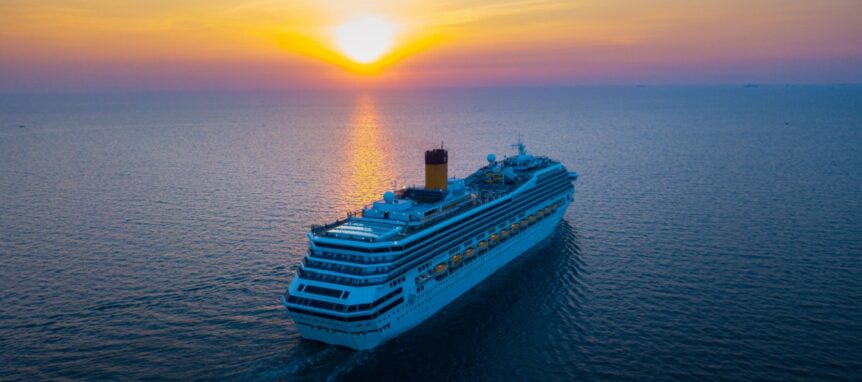
A recent norovirus outbreak aboard the Caribbean Princess has once again drawn attention to the health risks that can arise during cruise vacations. According to published reports, more than 100 passengers and crew members became ill during the voyage before the ship returned to Port Canaveral on May 11th, prompting enhanced sanitation efforts and an investigation by the Centers for Disease Control and Prevention. While norovirus outbreaks are relatively uncommon, they serve as an important reminder that cruise lines have a responsibility to maintain safe and sanitary conditions for their passengers. Although becoming sick on a cruise does not automatically give rise to a legal claim, there are circumstances where a cruise line’s negligence may contribute to the spread of illness and create potential liability under federal maritime law.
Understanding Norovirus on Cruise Ships
Norovirus is a highly contagious virus that commonly causes vomiting, diarrhea, stomach cramps, and nausea. Because cruise ships bring thousands of passengers and crew members together in shared dining areas, recreational spaces, and living quarters, illnesses can spread quickly if proper sanitation measures are not followed. Cruise lines routinely implement cleaning procedures and health protocols to reduce the risk of outbreaks, but no system can eliminate the possibility entirely.
When an outbreak occurs, health officials often investigate how the illness spread and whether appropriate preventative measures were followed throughout the voyage.
Does Getting Sick on a Cruise Automatically Mean the Cruise Line Is Liable?
The answer is generally no. Simply becoming ill during a cruise does not necessarily mean the cruise line acted negligently. Cruise operators are not insurers of passenger safety, and illnesses can occur despite reasonable preventative efforts.
However, if a cruise line failed to maintain appropriate sanitation standards, ignored known health concerns, or did not respond appropriately after passengers began reporting symptoms, liability may become a more significant issue. Every case depends on its specific facts, including what the cruise line knew and how it responded to the situation.
When Negligence May Become a Legal Issue
Cruise lines owe passengers a duty to exercise reasonable care under the circumstances.If evidence demonstrates that proper cleaning procedures were not followed, contaminated food was served, or appropriate isolation measures for symptomatic passengers and crew members were not implemented, an injured passenger may have grounds to pursue a claim.
Investigations into these cases often focus on sanitation records, food handling procedures, medical reports, crew response protocols, and whether the cruise line complied with applicable public health guidelines. Determining whether negligence occurred requires a careful review of the available evidence.
Why Maritime Law Applies
Unlike many land-based personal injury claims, injuries and illnesses occurring aboard cruise ships are generally governed by federal maritime law. Cruise ticket contracts often contain provisions that establish where lawsuits must be filed and impose shorter deadlines than those found under Florida law.
Many major cruise lines require injured passengers to provide timely notice of a claim and file suit within one year of the incident. Missing these contractual deadlines can affect a passenger’s ability to pursue compensation, making it important to evaluate potential claims as soon as possible.
The Importance of Preserving Evidence
Evidence plays a critical role in cruise ship illness claims. Medical records documenting the illness, onboard medical reports, passenger statements, and public health investigations may all become important when evaluating whether negligence contributed to an outbreak.
Public health findings from agencies such as the Centers for Disease Control and Prevention may also become important when evaluating whether sanitation practices or response efforts contributed to an outbreak.
In some situations, surveillance footage, cleaning logs, inspection reports, and food preparation records may also provide valuable information. Acting promptly helps ensure that relevant evidence is identified and preserved before it becomes unavailable.
How Serious Illnesses Can Affect Passengers
While many people recover from norovirus within a few days, the illness can have more serious consequences for certain individuals. Older adults, young children, and passengers with underlying medical conditions may experience severe dehydration or other complications requiring hospitalization. Severe dehydration is one of the most common complications of norovirus and may require hospitalization, particularly for older adults, young children, and individuals with underlying medical conditions.
In addition to the physical effects, passengers may incur unexpected medical expenses, interrupted travel plans, and other financial losses. When negligence contributes to those damages, maritime law may provide a legal avenue for seeking compensation.
Why Early Legal Guidance Matters
Cruise ship illness cases involve unique legal issues that differ from typical Florida personal injury claims. Determining whether negligence occurred often requires reviewing medical records, public health findings, and the cruise line’s own procedures and documentation.
Because maritime law includes strict contractual deadlines and specialized procedural requirements, seeking legal guidance early can help protect important rights and preserve critical evidence.
Protecting Your Rights After a Cruise Ship Illness
While not every illness aboard a cruise ship results from negligence, passengers have the right to expect that cruise lines will take reasonable steps to maintain a safe and sanitary environment. When those responsibilities are not met, serious legal questions may arise under federal maritime law.
If you or a loved one became seriously ill during a cruise and believe negligence may have contributed to your illness, the maritime attorneys at BRILL & RINALDI, The Law Firm can help you evaluate your legal options. We understand the complexities of cruise ship litigation and are prepared to investigate whether a cruise line’s actions or omissions contributed to your injuries.
Schedule a consultation today by calling (954) 876-4344 or filling out the online form. We have offices in Weston, Coral Gables, and Daytona Beach.
Disclaimer: The information above is for general informational purposes only and does not constitute legal advice. Every case is different, and results are not guaranteed.