
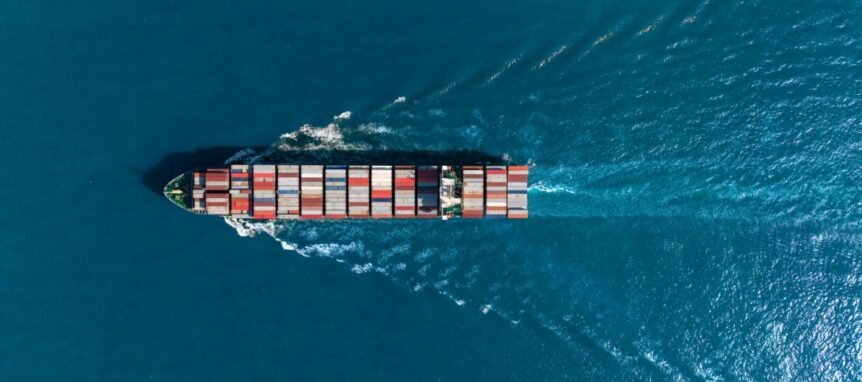
Florida’s waterways are some of the busiest in the country. From cruise ships departing South Florida ports to recreational boats, jet skis, and commercial vessels operating daily, accidents on the water are far from rare. When an injury happens offshore or on navigable waters, the legal rules that apply can be very different from those governing accidents on land. This is where maritime law comes into play. Understanding what maritime law is, and when it applies, can make a significant difference in an injured person’s ability to recover compensation.
Understanding the Basics of Maritime Law
Maritime law, also known as admiralty law, is a specialized body of law that governs activities and injuries that occur on navigable waters. Navigable waters generally include oceans, seas, rivers, bays, and waterways used for interstate or international commerce. In Florida, this often means injuries that occur on the Atlantic Ocean, the Gulf of Mexico, major rivers, and coastal waterways.
Unlike standard personal injury law, maritime law is largely federal and has its own rules, remedies, and timelines. These laws were developed to address the unique risks of working and traveling on the water, where emergencies can escalate quickly and medical care may be delayed.
When Maritime Law Applies Instead of Florida Law
Whether maritime law applies depends on where and how the injury occurred. In general, maritime law may govern a claim if the injury happened on navigable waters and is connected to traditional maritime activity. This can include injuries on cruise ships, commercial vessels, fishing boats, yachts, ferries, and sometimes even recreational watercraft.
For example, a passenger injured aboard a cruise ship departing from Miami, a deckhand hurt while working on a commercial vessel, or a boater injured in a collision offshore may all fall under maritime jurisdiction. In contrast, an injury that occurs on a dock, pier, or marina may fall under Florida premises liability law rather than maritime law, depending on the circumstances. Determining which law applies often requires careful legal analysis.
Who Is Protected Under Maritime Law
Maritime law protects several categories of individuals, each with different rights and remedies. Seamen who work aboard vessels have special protections under laws such as the Jones Act, which allows injured maritime workers to sue their employers for negligence. These workers may also be entitled to maintenance and cure, which covers medical care and basic living expenses while they recover.
Passengers are also protected under maritime law. Cruise ship guests, ferry passengers, and individuals injured during maritime travel may bring claims against vessel owners or operators for unsafe conditions, negligent maintenance, or crew errors. Recreational boaters may also fall under maritime law when injuries occur on navigable waters and involve vessel operation.
How Maritime Injury Claims Differ from Land-Based Claims
Maritime injury cases differ significantly from standard Florida personal injury claims. Liability standards, damage calculations, and filing deadlines may not be the same. For instance, cruise ship injury claims are often subject to strict contractual deadlines found in the passenger ticket contract. Some require written notice within months and lawsuits to be filed within a year.
Additionally, maritime law may limit or expand the types of damages available depending on the case. In wrongful death claims, federal maritime law may apply different rules than Florida’s wrongful death statute. These differences can directly affect how much compensation a victim or family may recover.
Common Maritime Injury Scenarios in Florida
Florida maritime injury cases arise from a wide range of incidents. Cruise ship passengers may be injured due to slippery decks, unsafe excursions, or malfunctioning equipment. Boaters may be hurt in collisions, falls overboard, or fires. Maritime workers face risks from heavy machinery, rough seas, and long hours in hazardous conditions.
Even recreational activities like jet skiing or parasailing can trigger maritime law when accidents occur offshore. Because these cases often involve multiple parties, including vessel owners, operators, employers, or manufacturers, identifying who is responsible can be complex.
Why Maritime Law Claims Require Experienced Legal Help
Maritime law is highly specialized, and mistakes early in a case can be costly. Missing a filing deadline, choosing the wrong jurisdiction, or misunderstanding which law applies can jeopardize an otherwise valid claim. Vessel owners and cruise lines often rely on maritime defenses that do not exist in land-based injury cases.
An attorney experienced in maritime law can evaluate whether federal maritime rules apply, identify all potential defendants, and pursue the appropriate claims. This is especially important in South Florida, where maritime commerce and tourism are central to daily life.
Protecting Your Rights After a Maritime Injury
If you are injured on Florida’s waters, it is important to seek medical attention immediately and report the incident as soon as possible. Preserving evidence, documenting conditions, and understanding contractual obligations can be critical. Because maritime law may apply even when injuries occur close to shore, speaking with a knowledgeable attorney early can help protect your rights and options.
Contact Us Today
If you or a loved one has been injured on Florida’s waters, the maritime attorneys at BRILL & RINALDI, The Law Firm are here to help. We understand the complexities of maritime law and will work to determine which legal protections apply to your case and how to pursue the compensation you deserve.
Schedule a consultation today by calling (954) 876-4344 or filling out the online form. We have offices in Weston, Coral Gables, and Daytona Beach.
Disclaimer: The information above is for general informational purposes only and does not constitute legal advice. Every case is different, and results are not guaranteed.